

Are you ready to embark on your financial adventure but wondering how to get started? A strong credit history is your passport to many opportunities, from renting an apartment to securing a mortgage. If you’re new to credit or looking to improve your score, understanding Starting Your Journey: How to Choose a Credit Card to Build Credit is your crucial first step. Don’t worry, it’s not as intimidating as it sounds! Let’s break down how to pick the perfect card to kickstart your credit-building efforts.
Why is Building Credit So Important Anyway?
Before we dive into card types, let’s quickly touch on why building credit matters. Your credit score is essentially a report card on your financial reliability. Lenders, landlords, and even some employers use it to assess your trustworthiness. A good credit score can lead to:
- Easier approval for loans and mortgages
- Better interest rates, saving you money
- Lower insurance premiums
- Easier approval for rental properties
It’s a foundational element of adult financial life, and the sooner you start, the better.
Understanding Your Options: Types of Credit Cards for Building Credit
When you’re looking to build credit, not all credit cards are created equal. Here are the most common types suitable for beginners:
Secured Credit Cards
Secured credit cards are often the go-to for those with no credit history or poor credit. They work by requiring an upfront security deposit, which typically becomes your credit limit. For example, if you deposit $300, your credit limit is $300. This deposit minimizes the risk for the issuer, making them easier to obtain. The key is that your payment activity is reported to the major credit bureaus, helping you build credit over time. Many secured cards even offer a path to upgrade to an unsecured card after responsible use.
Student Credit Cards
If you’re a college student, student credit cards are specifically designed with you in mind. They often have more lenient approval requirements than regular unsecured cards, recognizing that students may have limited income and no prior credit history. These cards can be a fantastic way to build credit responsibly while still in school. Look for cards with no annual fees and perhaps some student-friendly perks.
Retail/Store Credit Cards
Store credit cards, offered by specific retailers, are generally easier to get approved for than traditional credit cards. While they might come with high interest rates and can only be used at that specific store, they do report to credit bureaus. This means using them responsibly can help you build credit. Just be mindful of their high APRs and aim to pay off your balance in full each month.

Becoming an Authorized User
This isn’t a credit card you apply for yourself, but it’s a valid strategy! If a trusted family member (like a parent or spouse) with excellent credit adds you as an authorized user on their credit card, their good payment history can reflect on your credit report. This can be a quick boost, but choose wisely – their negative activity can also affect you.
Key Factors When Choosing Your First Credit Card
Now that you know the types, how do you pick the right one for Starting Your Journey: How to Choose a Credit Card to Build Credit?
- Annual Fees: Try to find cards with no annual fees. Why pay for the privilege of building credit if you don’t have to?
- Interest Rates (APR): While you should aim to pay your balance in full every month to avoid interest, a lower APR is always better in case you need to carry a balance.
- Credit Limit: For secured cards, this is tied to your deposit. For others, a reasonable starting limit is fine. Focus on using a small portion of it.
- Reporting to Credit Bureaus: This is paramount! Ensure the card issuer reports to all three major credit bureaus (Equifax, Experian, TransUnion) to maximize your credit-building efforts.
- Reviews and Reputation: Check online reviews to see what other users say about the issuer’s customer service and ease of use.
Responsible Credit Card Use: Your Path to a Strong Score
Choosing the right card is just the beginning. The real work is in how you use it. To successfully build credit:
Pay On Time, Every Time
Payment history is the single most important factor in your credit score. Set up automatic payments or calendar reminders to ensure you never miss a due date, even if it’s just the minimum payment.
Keep Your Credit Utilization Low
Credit utilization is the amount of credit you’re using compared to your total available credit. Aim to keep this below 30% – ideally even lower, like 10-15%. For example, if your credit limit is $500, try not to spend more than $150 in a month.
Don’t Apply for Too Many Cards at Once
Each application results in a “hard inquiry” on your credit report, which can temporarily ding your score. Focus on one card, use it responsibly, and let your credit grow naturally.
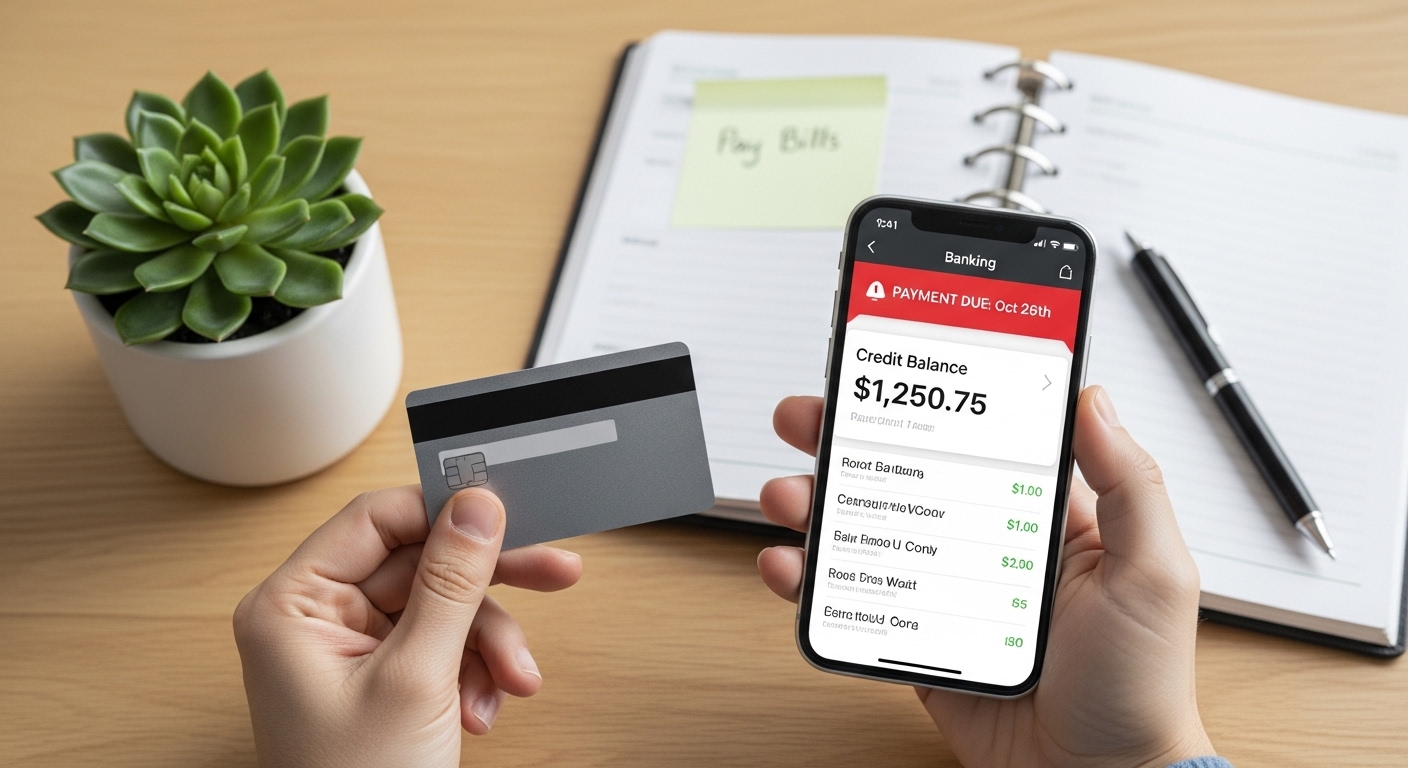
Starting Your Journey: How to Choose a Credit Card to Build Credit doesn’t have to be complicated. By understanding your options and committing to responsible use, you’ll be well on your way to a robust credit score that opens doors to your financial future. Pick a card that fits your situation, use it wisely, and watch your credit health flourish!